
Polycystic Ovary Syndrome (PCOS) is not just a hormonal condition—it’s a full-blown plot twist in many women’s fertility journeys. Affecting nearly 1 in 10 women of reproductive age, PCOS can quietly interfere with ovulation, hormone balance, and overall reproductive health. Understanding pcos causes, how they influence fertility, and what treatment paths exist can turn confusion into clarity and anxiety into action.
Understanding PCOS and Why It Happens

PCOS is a complex endocrine disorder marked by irregular periods, excess androgen levels, and polycystic ovaries. While the symptoms vary from person to person, the underlying pcos causes often trace back to hormonal imbalance and insulin resistance.
One of the most common pcos causes is insulin resistance, where the body struggles to use insulin effectively. This leads to higher insulin levels, which in turn stimulate excess androgen production. Elevated androgens disrupt ovulation, making conception unpredictable and, at times, difficult. Genetics also play a role, meaning PCOS often runs in families, quietly passing the baton.
How PCOS Impacts Ovulation and Fertility
Ovulation is the star of the fertility show, and PCOS tends to steal the spotlight. Due to hormonal irregularities linked to pcos causes, many women with PCOS experience infrequent or absent ovulation. Without regular ovulation, the chances of natural conception drop.
This disruption directly impacts the fertility rate, especially when cycles are irregular or unpredictable. However, it’s important to note that PCOS does not mean infertility—it means fertility may need strategy, timing, and support.
PCOS, Hormones, and the Fertility Rate
Hormonal imbalance is the core villain here. Elevated luteinizing hormone (LH) and testosterone levels interfere with egg maturation. As a result, eggs may not develop or release properly, affecting the fertility rate over time.
Women with untreated PCOS may also face higher risks of miscarriage due to poor egg quality and hormonal instability. Addressing pcos causes early can significantly improve outcomes and restore hormonal rhythm.
Lifestyle Changes That Improve Fertility in PCOS
Before jumping into medical treatments, lifestyle modifications often serve as the first line of defense. Weight management, regular exercise, and balanced nutrition can dramatically reduce insulin resistance—one of the leading pcos causes.
Even a modest weight loss of 5–10% can help regulate menstrual cycles and improve ovulation. These changes can positively influence the fertility rate, sometimes restoring natural conception without further intervention.
Medical Treatment Options for PCOS-Related Infertility
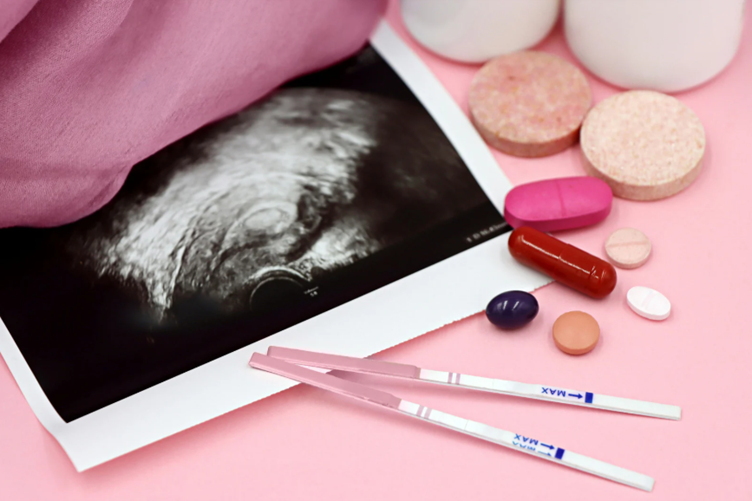
When lifestyle changes aren’t enough, medical treatments step in. Ovulation induction medications like letrozole or clomiphene citrate are commonly prescribed to stimulate ovulation in women with PCOS. These treatments directly counteract hormonal disruptions linked to pcos causes.
For some, metformin is added to improve insulin sensitivity. When combined with ovulation-inducing drugs, it can enhance response and improve the fertility rate.
Advanced Fertility Treatments and IVF
If ovulation induction doesn’t result in pregnancy, assisted reproductive techniques may be recommended. Treatments offered at a specialized fertility clinic include intrauterine insemination (IUI) and in vitro fertilization (IVF).
IVF is particularly effective for PCOS patients because it allows doctors to closely monitor egg development and hormone levels. With expert care at a reputable fertility clinic, many women with PCOS achieve successful pregnancies despite longstanding challenges.
Choosing the Right Fertility Clinic for PCOS Care
Not all clinics are created equal—especially when it comes to PCOS. A good fertility clinic focuses on individualized protocols, careful hormone monitoring, and minimizing risks like ovarian hyperstimulation syndrome (OHSS).
An experienced fertility clinic can tailor treatments based on specific pcos causes, ensuring both safety and success. This personalized approach often leads to a better fertility rate and a smoother fertility journey overall.
Hope, Science, and the Road Ahead
PCOS may complicate fertility, but it doesn’t cancel it. With early diagnosis, targeted treatment, and the right medical guidance, many women with PCOS go on to conceive naturally or with assistance. Understanding pcos causes, actively managing symptoms, and seeking care from a trusted fertility clinic can dramatically shift outcomes.
The path may look different—but with the right support, the destination is absolutely still in reach.
Expert Care for PCOS and Fertility Challenges
For women navigating PCOS-related fertility issues, consulting an experienced specialist can make a measurable difference. Dr. Astha Gupta, a renowned fertility expert, offers evidence-based, personalized treatment plans focused on addressing pcos causes at the root. Her patient-centric approach helps improve the fertility rate while guiding couples through every stage of care at a trusted fertility clinic.