
Ovarian stimulation is one of the most important steps in IVF treatment. It helps doctors retrieve multiple mature eggs in a single cycle to improve the chances of fertilisation and a healthy embryo. Many couples exploring IVF treatment often want clarity on how ovarian stimulation works, what to expect during the process, and how safe it truly is. This detailed guide explains the entire journey while also addressing common concerns related to IVF treatment cost and expectations for first-time patients.
What Is IVF Treatment and Why Ovarian Stimulation Matters
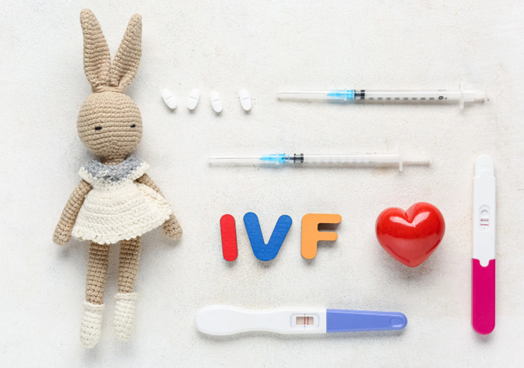
Before understanding stimulation, it is essential to know what is IVF treatment and how each step contributes to success. IVF treatment is an assisted reproductive technique in which eggs and sperm are fertilised in a laboratory. Once embryos form, one or more are transferred into the uterus to achieve pregnancy.
In a natural cycle, a woman typically produces one egg. During IVF treatment, ovarian stimulation is used to encourage the ovaries to produce multiple eggs. The reason is simple. A higher number of mature eggs increases the chances of forming good quality embryos. This single step has a major impact on both IVF success rates and the overall IVF treatment cost because better embryo yield may reduce the need for repeated cycles.
How Ovarian Stimulation Works in IVF Treatment
Ovarian stimulation usually begins on the second or third day of the menstrual cycle. Fertility specialists prescribe hormonal injections that gently encourage the ovaries to grow multiple follicles. The dose and type of medication vary based on age, medical history, hormonal profile, ovarian reserve tests, and how the patient responded in previous IVF treatment cycles.
During this period, the goal is controlled stimulation. Too little stimulation may produce fewer eggs, while too much stimulation could increase the risk of complications. This is why personalised medication plans play a key role in any well designed IVF treatment plan.
Monitoring During Ovarian Stimulation
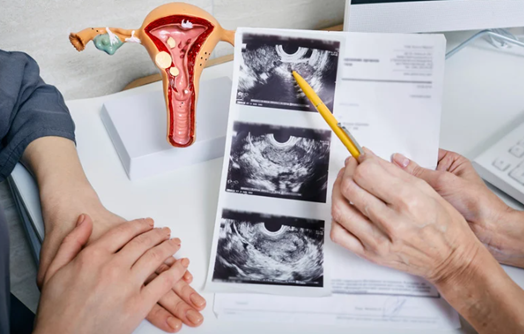
One of the most common concerns couples have relates to the monitoring process and whether it affects IVF treatment cost. Close monitoring is essential for safety and for adjusting medication at the right time. Throughout the stimulation phase, doctors perform regular ultrasounds and blood tests to track follicle growth, hormone levels, and the body’s response to stimulation.
These scans help specialists determine when the follicles have reached the ideal size. Once this stage is reached, a trigger injection is administered to mature the eggs. Around 34 to 36 hours later, egg retrieval is scheduled. This entire process is coordinated precisely to allow eggs to be collected at the optimal time for fertilisation in the IVF lab.
Safety of Ovarian Stimulation in IVF Treatment

When discussing what is IVF treatment, many patients worry about whether stimulation can cause long term side effects. In the hands of experienced IVF specialists, ovarian stimulation is considered safe, predictable, and highly controlled. Modern medication protocols allow doctors to customise stimulation based on individual hormone levels, greatly reducing risks.
One rare complication associated with aggressive stimulation is Ovarian Hyperstimulation Syndrome. Today, its risk is minimal because clinics carefully monitor patients and use safer trigger injections when required. Any temporary symptoms, such as bloating or mild discomfort, usually resolve within a few days.
Couples should also know that monitoring and safety protocols may influence IVF treatment cost because frequent scans and blood tests are required. However, these steps are essential for success and patient wellbeing, making them a necessary part of ethical IVF care.
Factors That Influence Medication Needs and IVF Treatment Cost
While understanding what is IVF treatment and how stimulation works, it is equally important to know the factors that affect medication dosage. Age, AMH levels, PCOS, endometriosis, thyroid levels, body weight, and lifestyle habits all play a role. Higher medication requirements may increase IVF treatment cost, especially in women with very low ovarian reserve who need stronger stimulation to produce eggs.
Some patients respond extremely well and require lower doses. Others may need advanced stimulation strategies. A transparent clinic will always explain how stimulation choices impact both outcome and cost so that couples can plan confidently.
What Patients Can Expect During the Stimulation Phase
Most patients find ovarian stimulation manageable. The injections are self-administered and come with simple instructions. Some women experience temporary side effects, such as mood changes, abdominal heaviness, or increased appetite, but they are usually mild.
Knowing what is IVF treatment and how each stage works helps reduce stress. Patients also feel more confident when they understand why monitoring visits are needed, how long stimulation lasts, and how the final egg retrieval is scheduled.
Final Thoughts
Ovarian stimulation is a key foundation of IVF treatment. It allows fertility specialists to retrieve multiple healthy eggs, giving couples a stronger chance at creating viable embryos. Although the number of scans and injections may seem overwhelming initially, these steps ensure safety and better outcomes. IVF treatment cost can vary based on medication needs and monitoring frequency, but personalisation remains the most important factor for achieving the best results.
A clear understanding of what IVF treatment is helps couples approach the journey with confidence. With careful planning and expert supervision by specialists like Dr. Astha Gupta, the IVF process becomes predictable, safe, and highly effective for those hoping to build a family.