
Understanding AMH levels is essential for individuals planning their reproductive future, especially when they want clarity on ovarian reserve and long-term fertility outcomes. Many couples begin their journey by seeking guidance from a fertility specialist who can explain how hormonal markers influence the overall chances of conception. With a clear interpretation of AMH levels, patients can make decisions that align well with their personal timelines, medical history, and family-building goals.
What AMH Levels Indicate About Ovarian Reserve
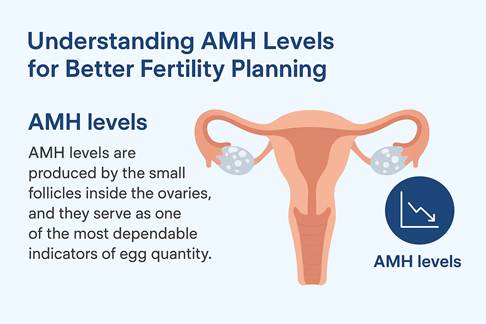
AMH levels are produced by the small follicles inside the ovaries, and they serve as one of the most dependable indicators of egg quantity. While these values cannot predict egg quality directly, they provide consistent insights into how the ovaries may function over time. Women with higher AMH levels typically have a larger pool of eggs available, whereas lower readings may suggest a declining reserve that requires timely planning.
Why AMH Matters Before IVF
Before beginning IVF treatment, most clinics evaluate AMH levels to understand how the ovaries may respond to stimulation medications. This information enables the IVF doctor to tailor protocols in a way that maximises egg retrieval while maintaining safety. In many cases, a fertility specialist also reviews additional hormone levels and ultrasound findings to ensure that each recommendation is backed by a complete clinical picture.
This pre-treatment assessment helps reduce uncertainty. It gives individuals a clearer sense of what to expect during their journey and allows them to prepare emotionally, physically, and financially. It also supports personalised planning, since reproductive health is highly individual and influenced by numerous biological and lifestyle factors.
How AMH Guides Individualised Planning

As patients prepare for IVF treatment, they often want to know how strongly these hormonal patterns influence their chances of conception. Although AMH alone cannot determine success, it helps the IVF doctor anticipate response to medication and manage expectations realistically. A fertility specialist may also suggest supportive strategies that contribute to better reproductive health and overall preparedness.
Beyond clinical planning, these assessments can give individuals the time they need to make thoughtful decisions. Some may choose to adjust personal routines, seek additional wellness support, or create a more structured plan for their treatment timeline. All of these steps contribute to a more confident and informed experience.
Age, AMH, and Future Fertility

Age remains one of the most significant factors affecting ovarian reserve, and understanding this connection empowers individuals to make informed choices. Younger women typically show stronger ovarian reserve patterns, which may give them more flexibility in deciding when to pursue IVF treatment. During consultations, the IVF doctor evaluates age, ultrasound results, and hormone trends together to create a coherent plan. When needed, a fertility specialist may also recommend fertility preservation for future family-building goals.
As individuals grow older, hormonal patterns can shift more rapidly, making timely evaluation essential. Even for those who are not ready to conceive, early assessment offers reassurance and allows them to plan with long-term stability in mind.
AMH Trends and IVF Outcomes
Many couples also ask whether favourable hormonal patterns guarantee positive results, particularly when considering IVF treatment. While supportive readings can indicate a stronger response to stimulation, several other factors affect outcomes, and an experienced IVF doctor explains these nuances clearly. With the guidance of a dedicated fertility specialist, patients can pursue treatment with a clearer understanding of what influences success.
Additionally, reproductive outcomes depend on a combination of lifestyle habits, overall well-being, and biological resilience. By learning about these influences early, individuals can make meaningful improvements that support their broader health goals as well as their reproductive aspirations.
Hope Even With Lower Reserve
When hormone levels indicate a lower reserve, patients are often reassured that options still exist. Tailored IVF treatment strategies can lead to successful pregnancies when designed carefully. By assessing clinical history, embryo development, and response patterns, the IVF doctor develops a plan that aligns with expectations while remaining grounded in evidence-based care.
Many individuals find comfort in knowing that medical science continues to advance. New techniques, more personalised protocols, and deeper understanding of reproductive biology all contribute to better outcomes, even in more challenging cases.
Conclusion
Understanding ovarian reserve gives individuals the clarity they need to make informed, timely reproductive decisions. Whether planning natural conception or preparing for advanced treatment, gaining insight into AMH levels enables couples to move forward with confidence. With expert guidance from a fertility specialist and the personalised approach of a skilled IVF doctor like Dr. Astha Gupta, patients can navigate their fertility journey with structure, reassurance, and long-term confidence.